End poverty
in all its forms everywhere
Transforming our relationship with nature is key to a sustainable future
Hela BEN HASSINE KHALLADI is an Associate Professor of Economics at the Faculty of Economics and Management of Tunis (FSEG Tunis), Tunis El Manar University. She holds a Ph.D. in International Economics and is a member of LARMA (Research Laboratory in Applied Microeconomics). Since September 2023, she has been a Fulbright Visiting Scholar at Tennessee State University.
Scientific Publications
Nasri, K., & Belhadj, B. (2024). Household Vulnerability and Resilience in Tunisia: Evidence Using Fuzzy Sets and Multidimensional Approach. Studies in Microeconomics, 12(2), 135-153. https://doi.org/10.1177/23210222221098836 (Total views and downloads: 71)
Belhadj, B., & Bouanani, M. (2023). Attributes inequality in multidimensional poverty measures: fuzzy modeling. Soft Computing, 27, 1997–2008. https://doi.org/10.1007/s00500-022-07298-z
FULLY FUNDED SCHOLARSHIPS for MASTERS and PHD PROJECTS
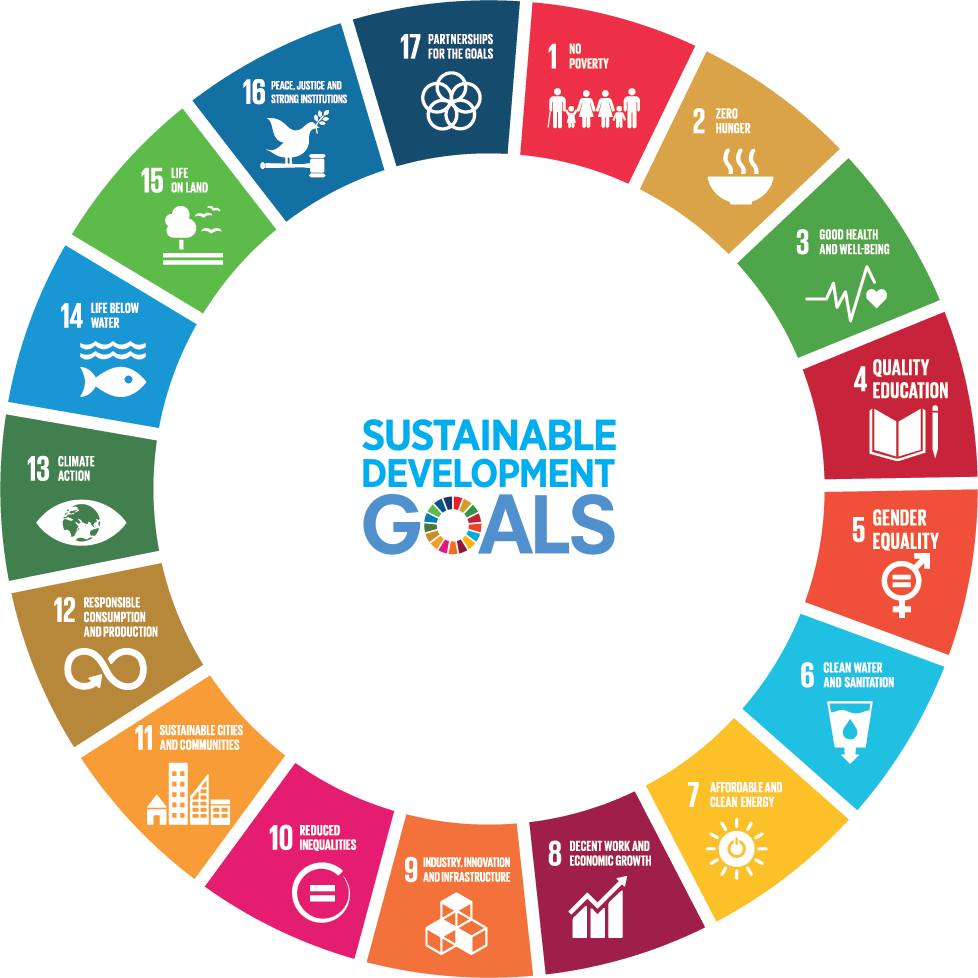
The Brain Project directly supports the implementation of SDG 1: No Poverty by enhancing access to quality education and fostering the development of skilled professionals in Sub-Saharan Africa. By providing mobility scholarships for Master’s and Ph.D. students, the program equips individuals with the knowledge and opportunities needed to secure sustainable livelihoods, reduce inequality, and contribute to poverty alleviation through innovation and economic growth.
The AFRIDI Project offers numerous scholarships to Sub-Saharan African students, providing them with opportunities for advanced studies and research in the fields of Natural and Environmental Sciences. These scholarships are designed to promote academic excellence, foster regional collaboration, and contribute to the development of skilled professionals who can address the pressing challenges facing Africa. Through this initiative, the project aims to enhance educational mobility and support the growth of higher education institutions across Sub-Saharan Africa.
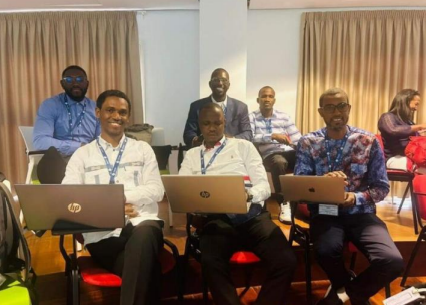
The DigItAfrica Project aims to help universities in isolated areas, minimizing the digital divide by fostering digital literacy and capabilities across the continent. By enhancing access to digital education and skills, the project contributes to reducing poverty, empowering individuals with the tools to improve their livelihoods and support sustainable economic growth. Once again, UTM demonstrates its leadership and commitment to advancing education, digital transformation, and poverty reduction in Africa, ensuring that no region is left behind. Congratulations to the entire project team for their outstanding effort and accomplishment!
More Images from DigItAfrica