Outreach 2025–2026
University of Tunis El Manar
UTM Outreach Activities 2025–2026
The outreach and community activities of the University of Tunis El Manar and its establishments during the 2025–2026 academic year, presented by Sustainable Development Goal.
Policy
UTM Outreach and Accessibility Policy
University Accessibility and Equality in Outreach Programs: Enhancing Societal Impact in Tunisia
The University of Tunis El Manar (UTM) is committed to promoting accessibility, inclusion, and equal opportunities through its outreach activities. By strengthening connections between higher education and society, UTM supports educational development, public awareness, scientific cooperation, and social responsibility. Its initiatives aim to reach diverse communities, including young learners, people with special needs, and individuals facing social or economic challenges, contributing to a more inclusive and sustainable society.
Accessible Outreach Activities for All Age Groups
UTM promotes access to scientific knowledge and higher education through educational activities and guidance initiatives for young people. During the 2025–2026 academic year, the University participated in the Masarat Al-Ghad career guidance forum, providing secondary-school students with information about university study pathways and future professional opportunities. Such initiatives help students explore different academic fields, discover emerging careers, and make informed decisions about their educational futures.
Support for Health and Well-being in Local Communities
UTM contributes to public awareness and well-being through initiatives addressing health-related challenges. During 2025–2026, its activities included awareness initiatives on breast cancer prevention, healthy nutrition, and the risks associated with addiction and digital addiction. Through cooperation with healthcare and academic partners, these activities seek to encourage preventive behaviours, improve health awareness, and strengthen the connection between university expertise and community needs.
Guidance for Future Education and Career Choices
Supporting young people in their transition to higher education remains an important aspect of UTM’s societal engagement. Through career guidance events and educational forums, the University helps secondary-school students understand available academic pathways and professional opportunities. The Masarat Al-Ghad forum in April 2026 addressed fields including medical and paramedical professions, preparatory studies, engineering, and emerging opportunities related to artificial intelligence. These activities encourage informed educational choices and support students’ future professional development.
Inclusion and Equity Through Targeted Programs
UTM seeks to foster an inclusive university environment by promoting equality, respect, and access to educational opportunities. In October 2025, within the framework of the WE4LEAD project, the University organized a training session on harassment prevention and protection mechanisms in the university environment. The University also pursued cooperation initiatives aimed at promoting women’s participation in international commercial arbitration. These actions reflect the importance of equal opportunities, awareness, and institutional responsibility in building a respectful and inclusive academic community. Existing inclusion programmes, including PAQGAGE and INSIDE, may also be presented where their activities during the reporting period are confirmed.
Strengthening Societal Impact Through Community Engagement and Cooperation
UTM strengthens its societal contribution through partnerships with public institutions, healthcare organizations, universities, and other stakeholders. During 2025–2026, cooperation initiatives addressed entrepreneurship, public health, scientific innovation, and environmental sustainability. These activities support knowledge exchange and encourage the application of research and expertise to societal challenges. UTM’s outreach approach also emphasizes the importance of ensuring that educational and community initiatives remain accessible to diverse groups, including people in vulnerable situations.
Conclusion. Through its outreach, educational, health-awareness, and cooperation initiatives, the University of Tunis El Manar continues to strengthen its relationship with society. The activities documented for 2025–2026 illustrate its contribution to educational guidance, public well-being, inclusion, scientific collaboration, and sustainable development. By maintaining partnerships and promoting equitable access to knowledge and opportunities, UTM supports a more inclusive and resilient society in Tunisia.
Activities by goal
Outreach and community activities
The University of Tunis El Manar (UTM) contributes to societal development through research on poverty and inequality, as well as initiatives promoting social solidarity and access to education. These activities reflect the University’s commitment to addressing socioeconomic challenges and supporting students in need.

SDG 1
No Poverty
The University of Tunis El Manar (UTM) contributes to Sustainable Development Goal 1 (SDG 1), which aims to end poverty in all its forms everywhere, through initiatives that promote equitable access to education, employability, entrepreneurship and social solidarity.
Student financial support and access to education
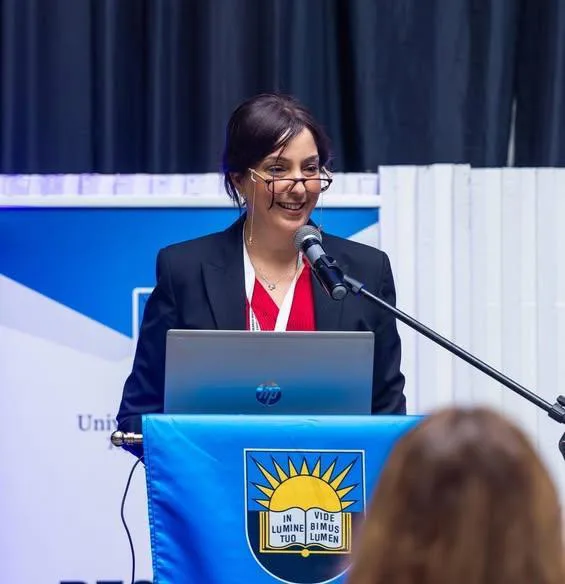
During the 2025–2026 academic year, the University of Tunis El Manar (UTM) highlighted its commitment to strengthening access to international research, academic mobility and capacity-building opportunities. These initiatives were discussed during the Research Week at the University of Fort Hare in South Africa, where UTM presented strategic cooperation projects, including Intra-Africa BRAINS, AFRIDI and the Erasmus+ Capacity Building project DigIt Africa, coordinated by UTM. These programmes promote intra-African research collaboration, mobility and digital skills development, helping strengthen educational and professional opportunities. By supporting capacity building and access to international academic experiences, these initiatives contribute indirectly to SDG 1 by promoting more inclusive opportunities for education and professional development.
In addition, UTM publicised several scholarship and mobility opportunities, including MESRS–MITACS scholarships for final-year projects in Canada.
Sources: Facebook · utm.rnu.tn
Employability and digital inclusion
UTM supported students' professional development through free training in soft skills and job-search techniques offered through the CORP.
Through these initiatives, UTM contributes to reducing barriers to education and healthcare, strengthening employability and entrepreneurship, and supporting vulnerable populations, in line with the objectives of SDG 1.
Source: Facebook
SDG 2
Zero Hunger
End hunger, achieve food security and improved nutrition and promote sustainable agriculture.
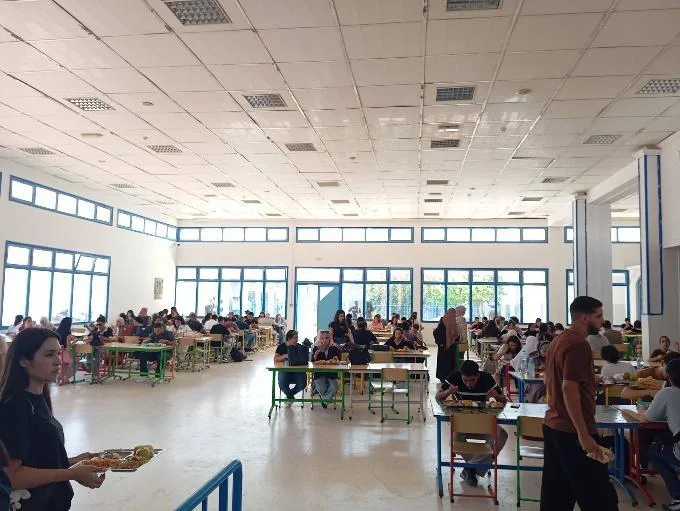
The University Restaurant Tunis El Manar
Our university restaurant provides for all students 3 meals each weekday.
- Breakfast: From 7 to 8 am
- Lunch From 12.00 to 13.00
- Dinner From 18.30 to 19.30
Concerning lunch and dinner, the restaurant offers a complete meal: Entry, Main Course and Dessert.
- Tunisian students regularly dine at the university restaurants for both budget and practical reasons. They are often located on campus or near town center universities.
- For 200 millimes (~0,06 euros), you can enjoy a complete meal, with starter, main course, and dessert. To have access and to pay for your meal, just show your student card.
The University of Tunis El Manar (UTM) contributes to Sustainable Development Goal 2 (Zero Hunger) through education, scientific research, innovation, and partnerships addressing nutrition, food safety, sustainable agriculture, and food security. During the 2025–2026 academic year, several UTM establishments developed activities linking academic knowledge to practical challenges related to food systems and sustainable development.
Sources: Facebook (1) · Facebook (2)
Nutrition, Health and the One Health Approach
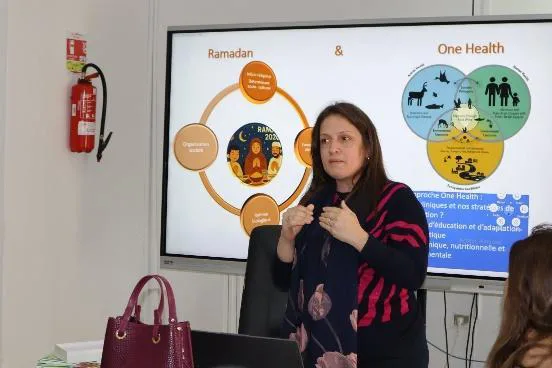
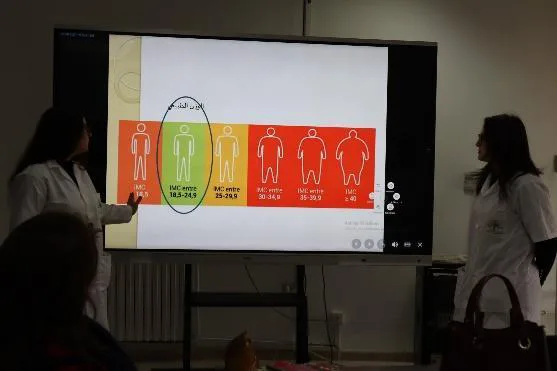
On 16 March 2026, the University of Tunis El Manar organized an awareness event promoting healthy eating habits, in collaboration with the Environment and Living Environment Committee of the Faculty of Medicine of Tunis, the National Institute of Nutrition and Food Technology Zouhair Kallel, and the Tunisian Association of Clinical Physiology.
Held in connection with World Obesity Prevention Day and the approaching Eid al-Fitr celebrations, the event highlighted the health risks associated with obesity, including cardiovascular diseases and certain types of cancer. Medical experts also discussed the relationship between unhealthy dietary habits, excessive sugar consumption, and immune function. Practical recommendations were provided to encourage balanced eating and moderate consumption of sugars and fats during the festive period.
This initiative reflects UTM’s contribution to public health awareness and the promotion of healthier dietary habits
Source: Facebook
Sustainable Agriculture and Water Management
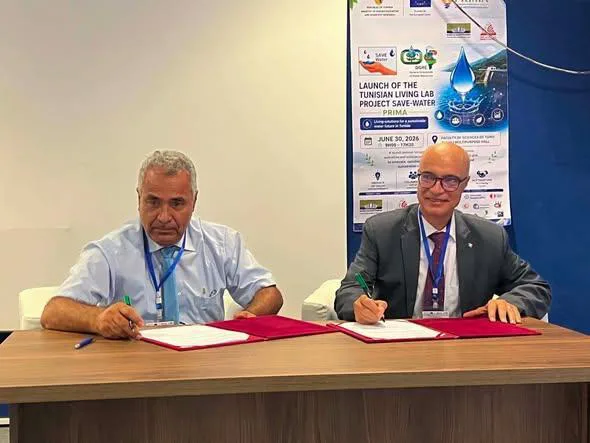
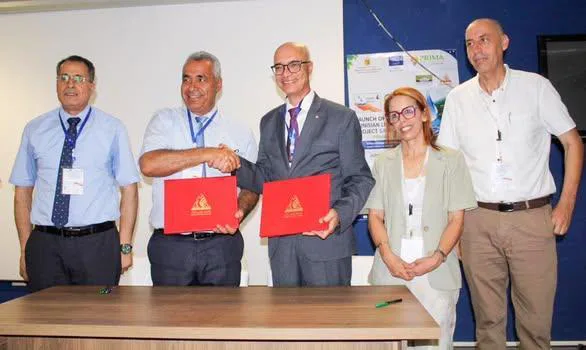
UTM supported research and educational activities addressing the sustainable use of water resources in agriculture. Through the PRIMA programme, the Faculty of Sciences of Tunis participated in the SAVE Water project, which applies technologies such as artificial intelligence, geographic information systems, and remote sensing to improve water management and address challenges associated with salinity and climate change.
The University also contributed to initiatives focused on drought-related agricultural risks and water efficiency in Mediterranean agro-sylvo-pastoral systems. These projects support research into sustainable agricultural practices and the protection of resources essential to food production.
Source: Facebook
Food Innovation, Biotechnology and Industry Collaboration
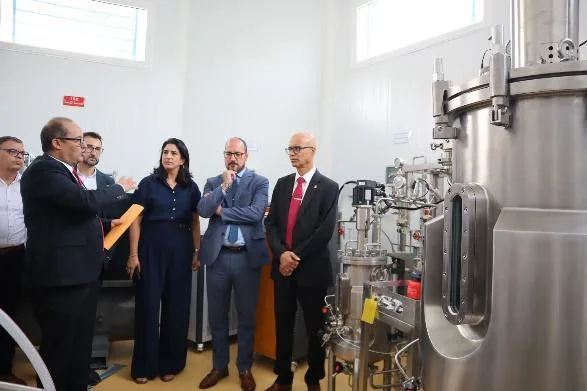
The Higher Institute of Applied Biological Sciences of Tunis (ISSBAT) advanced food and animal-health research through the AviBiocin project, which developed a pilot fermentation unit for producing bacteriocins as potential natural alternatives to antibiotics in poultry production. The initiative promotes a One Health approach while supporting research, technological development, and cooperation between universities and industry.
UTM also strengthened practical learning through educational visits for biotechnology students. Activities included visits to an aquaculture pilot station to explore aquaponics and integrated fish and plant production, as well as visits to food-industry facilities to study production processes and food-safety management.
Source: Facebook
Research, Training and Partnerships for Food Security
Through its faculties, institutes, and research laboratories, UTM continued to promote scientific cooperation and professional training in areas related to nutrition, agricultural production, and sustainable resource management. These activities provide students and researchers with opportunities to connect theoretical knowledge with practical applications and contribute to solutions addressing food security and environmental challenges.
Through these initiatives, UTM supports SDG 2 by promoting improved nutrition, sustainable agricultural practices, scientific innovation, and partnerships that contribute to more resilient food systems.
SDG 3
Good Health and Well-being
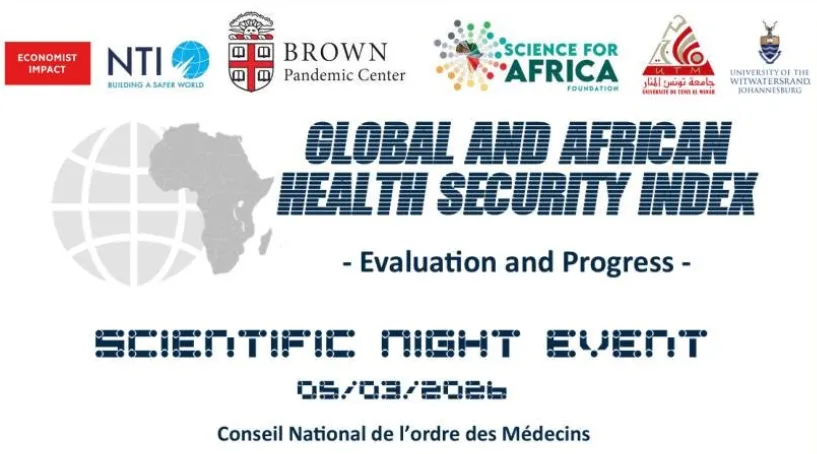
UTM Global Health Project Dissemination Event
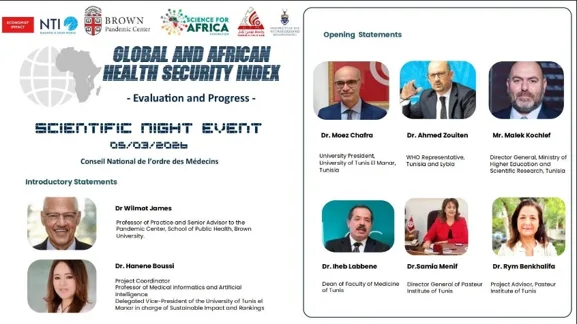
The University of Tunis El Manar organized the first dissemination event of the UTM Global Health project on 5 March 2026 at the National Council of the Order of Physicians in Tunis. Coordinated by Professor Hanene Boussi, the project focuses on global and African public-health indicators and the assessment of health systems, with particular attention to Tunisia and the African region. The event brought together academics, researchers, health-sector representatives, and national and international partners, including the World Health Organization, the Tunisian Ministry of Health, the Ministry of Higher Education and Scientific Research, Brown University Pandemic Center (USA), and Economist Impact (UK). It aimed to strengthen scientific cooperation, knowledge sharing, and the use of evidence in public-health planning.
Source: Facebook
11th International Digital Health Conference – April 2026
The UTM highlighted the 11th edition of the International Digital Health Conference, held under the theme “The Future of the Healthcare System between Innovation and Artificial Intelligence.” The conference addressed the role of digital technologies and artificial intelligence in the transformation of healthcare systems.
The event reflects UTM’s engagement with digital health innovation and scientific exchange on emerging technologies and their potential applications in healthcare.
Source: Facebook
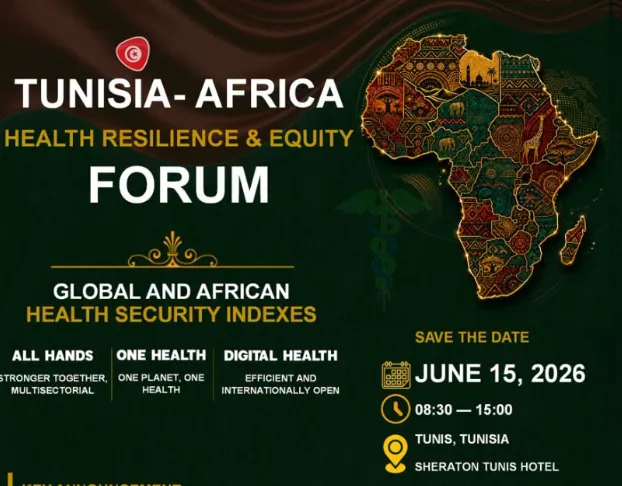
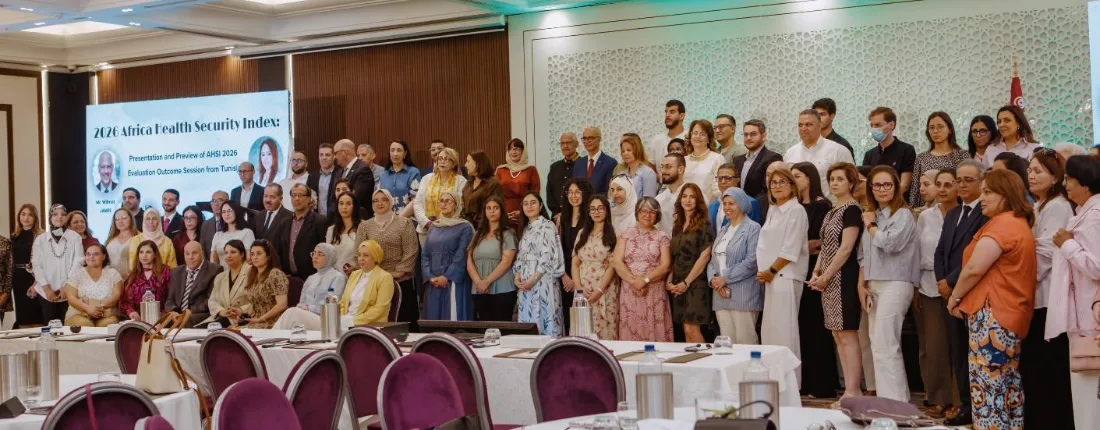
First Tunisian–African Forum on Health Resilience and Epidemic Preparedness
The UTM organized the first Tunisian–African Forum on Health Resilience, Epidemic Preparedness, and Social Justice in Health, bringing together health experts, researchers, institutional representatives, and policymakers from Tunisia and other countries.
The forum was organized within an international project involving Brown University Pandemic Center (USA), Economist Impact (UK), and the Science for Africa Foundation, alongside Tunisian health and academic institutions. The project included the development of an AI-supported African Health Security Index to assess the preparedness of 64 African countries for epidemics and other health emergencies.
The initiative promoted international research cooperation and highlighted the potential of artificial intelligence and data-driven assessment to support health-system preparedness, prevention, and more equitable access to healthcare.
Source: Facebook
SDG 4
Quality Education
Evaluation and Quality Assurance of Teaching Programmes
During the 2025–2026 reporting period, the University of Tunis El Manar (UTM) continued its efforts to improve the quality, relevance and effectiveness of higher education. In coordination with the relevant national authorities, the University supported the evaluation, renewal and accreditation of academic programmes and the development of new or revised curricula in fields such as economic intelligence, human resource management, e-commerce, business analytics, bioinformatics and artificial intelligence.
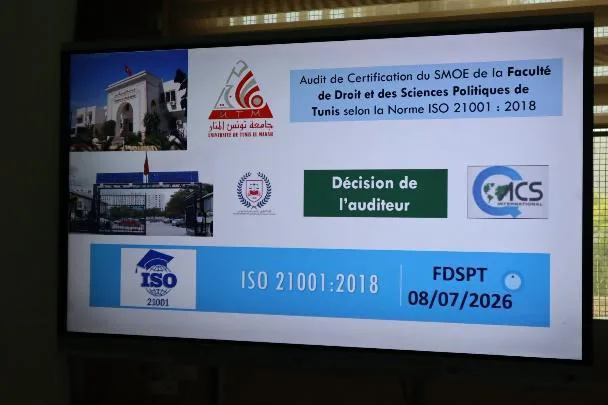
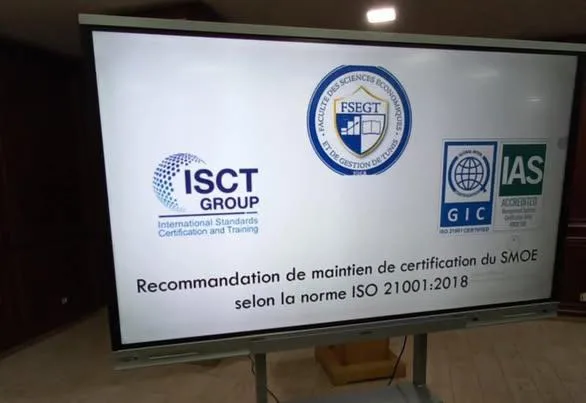
Quality assurance was also strengthened at the institutional level. The Faculty of Economic Sciences and Management of Tunis renewed its ISO 21001:2018 certification, while the Faculty of Law and Political Science of Tunis obtained ISO 21001:2018 certification. These initiatives support the continuous improvement of educational management and the quality of services provided to learners.
Source: Facebook
Teacher training and pedagogical innovation
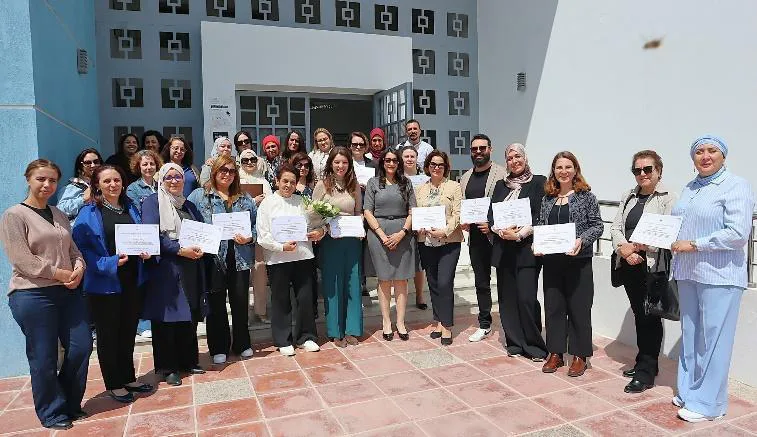
Through the “Savoir Agir” project, UTM supported the training of teachers in transversal study skills and worked to harmonise the delivery of these modules across its establishments. The initiative aims to strengthen students’ learning skills and improve the consistency of teaching practices within the renewed bachelor’s programmes.
Source: Facebook
Digital transformation and student support
UTM continued to develop digital approaches to education and university services. Initiatives included the promotion of digital technologies for accessible learning, the development of new programmes in artificial intelligence and data science, and the provision of orientation and counselling services to support students in their academic choices and progression.
These initiatives reflect UTM’s ongoing commitment to programme evaluation, quality assurance, pedagogical improvement and the alignment of higher education with students’ needs and labour-market expectations.
Source: forumtunisieneducation.org
Renewal and Accreditation of Academic Programmes
During the 2025–2026 reporting period, the University of Tunis El Manar contributed to ongoing efforts to improve and update higher education programmes. At the national level, the Ministry of Higher Education and Scientific Research addressed the revision of academic offerings under the LMD system at the University Council meeting held on 5 September 2025. The General Directorate of University Renovation (DGRU) is responsible for coordinating programme renewal and supporting the development of curricula and teaching methods.
UTM also pursued the quality assurance and international recognition of its academic programmes. In October 2025, several programmes at the Faculty of Sciences of Tunis received international accreditation from ASIIN, reflecting efforts to maintain academic quality and align training with recognised standards.
Source: Facebook
SDG 5
Gender Equality
Women in STEM and Gender Equality at UTM
During the 2025–2026 period, the University continued to promote gender equality, women’s leadership and the participation of women in science, technology, engineering and mathematics (STEM). Its initiatives combined institutional measures, international cooperation, training and activities highlighting women’s scientific achievements.
Women’s leadership and institutional equality
Through the Erasmus+ WE4LEAD project (Women’s Empowerment for Leadership and Equity in Higher Education Institutions), UTM worked with Mediterranean university partners to strengthen women’s access to leadership positions and promote more inclusive university governance. The project supported the preparation of UTM’s Gender Equality Plan, the collection and analysis of gender-disaggregated data, and training activities on gender and leadership.
Source: Facebook
Prevention of gender-based violence and support mechanisms
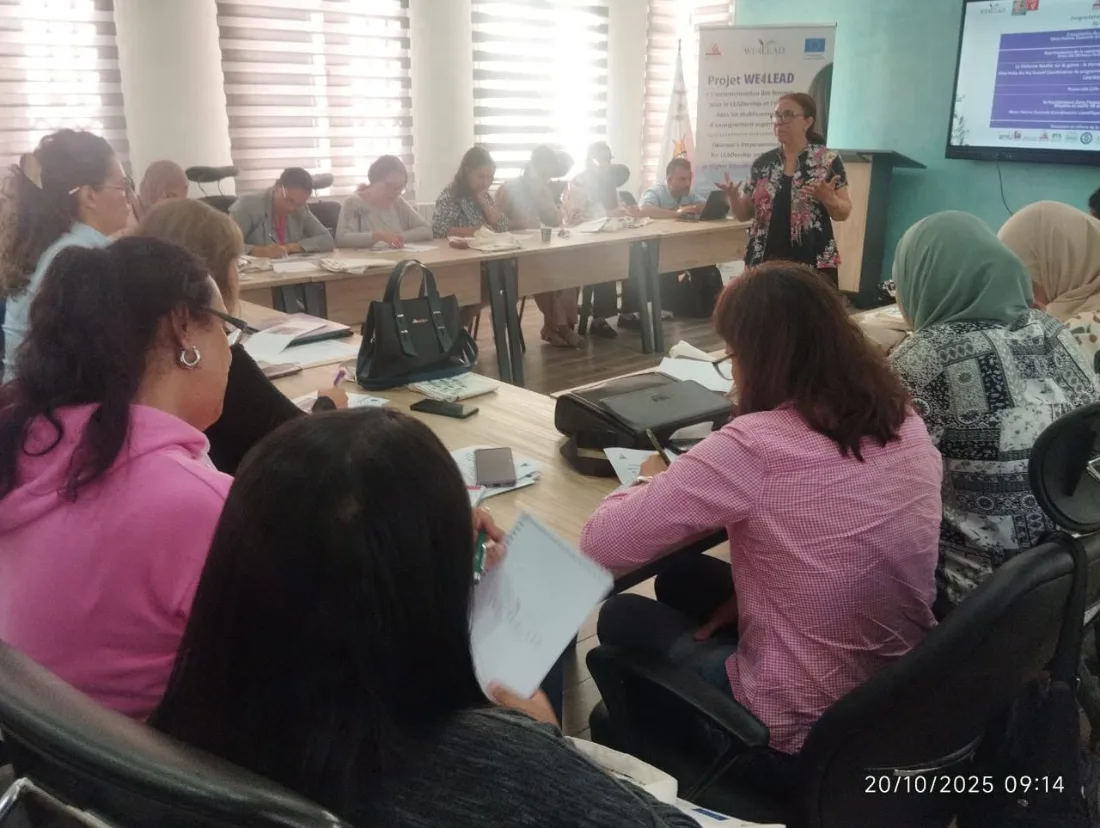
UTM inaugurated the premises of its Cellule pour la Parité et le Respect (Parity and Respect Cell) at the Tawhida Ben Cheikh University Medical Centre. The cell provides confidential listening and guidance for students and staff experiencing psychological difficulties, verbal violence, racism or gender-based discrimination. UTM also organised training on harassment prevention and the protection mechanisms available within universities.
Source: Facebook
Promoting women in science, mathematics and engineering
The University of Tunis El Manar contributed to promoting women’s participation and leadership in scientific fields. From 6 to 8 October 2025, UTM academics participated in the African Women in Mathematics: Challenging Questions conference in Hammamet, Tunisia. UTM-affiliated academics contributed to the event’s organisation and scientific programme, which encouraged research collaboration, scientific exchange and mentoring networks for women mathematicians.
In addition, on 13 October 2025, UTM organised a training session within the European-funded WE4LEAD project, focusing on gender and leadership in higher education, including mentoring and gender-equal recruitment practices.
Sources: sites.google.com · utm.rnu.tn
Recognition and international visibility
UTM continued to highlight the achievements of women researchers and academics through scientific networks, international events and distinctions. These initiatives help increase the visibility of women in STEM and encourage future generations to pursue scientific and technological careers.
Through these actions, UTM reaffirms its commitment to gender equality, inclusive leadership and the advancement of women in research and higher education, in line with Sustainable Development Goal 5 (Gender Equality).
SDG 6
Clean Water and Sanitation
Water Resources Management, Research and Sustainable Development
Tunisia faces significant water-scarcity challenges due to its semi-arid climate, irregular rainfall and increasing pressure on water resources. In this context, the University of Tunis El Manar contributes to sustainable water management through research, technological innovation, international cooperation and capacity-building initiatives. Its activities address water treatment, desalination, water reuse, groundwater protection and the use of digital technologies to improve water-resource management.

Research and Innovation in Water Management
SAVE Water: Artificial Intelligence and Geospatial Technologies
The Faculty of Sciences of Tunis (FST) coordinates the PRIMA-funded SAVE Water project, which promotes the use of artificial intelligence and geospatial technologies for sustainable water-resource management. The project brings together thirteen institutions from Tunisia, Morocco, Algeria, Egypt and Europe. Its objectives include improving water monitoring, developing predictive models, assessing water-system vulnerability and supporting decision-making under conditions of water scarcity and climate change.
A pilot initiative in Jedaida, in the Manouba governorate, uses sensors, geographic information systems and remote sensing to monitor irrigation water and investigate salinity. In collaboration with agricultural authorities in Manouba and Gabès, the project aims to develop practical solutions that help farmers improve irrigation management and protect agricultural soils.
Cooperation Agreement and Living Lab for Water Protection
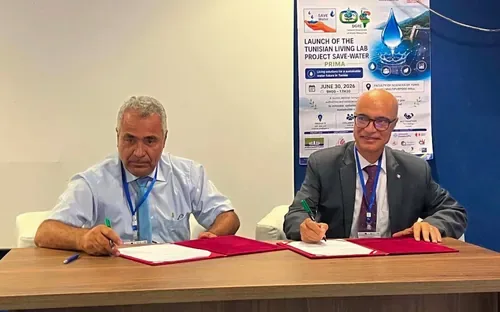
UTM signed a cooperation agreement with the General Directorate of Water Resources (DGRE) of the Ministry of Agriculture, Water Resources and Fisheries. The agreement seeks to translate scientific research and modern technologies into practical solutions for national water security.
The initiative also included the launch of the SAVE Water Living Lab at the Faculty of Sciences of Tunis. This structure aims to strengthen cooperation between researchers and public-sector stakeholders and to facilitate the application of research results to agriculture and water-resource management.
Water Treatment, Desalination and Reuse
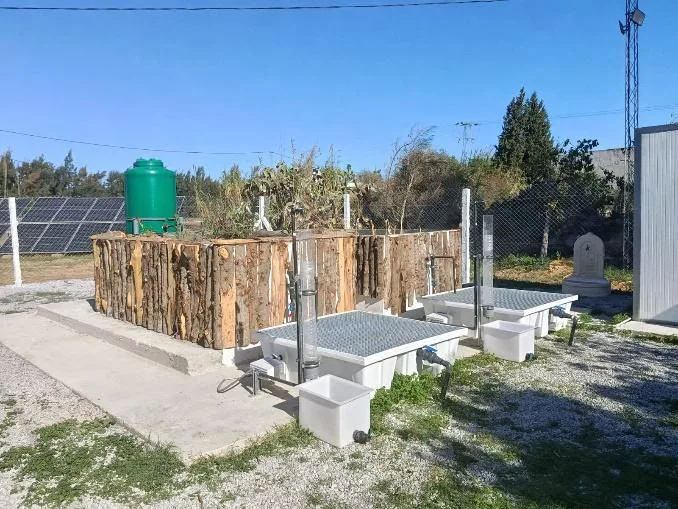
UTM's research activities also address water treatment, desalination and the reuse of treated wastewater. Through its laboratories and international partnerships, the University contributes to research on innovative membrane technologies, sustainable treatment processes and methods to reduce the environmental and energy costs of water treatment.
The UNESCO Chair on Waste, Water and Energy hosted by the National Engineering School of Tunis (ENIT) supports interdisciplinary research and cooperation with academic and institutional partners. Its activities include work on wastewater treatment and the decentralised treatment and reuse of greywater, linking scientific research with regulatory and sustainability considerations.
UTM also participates in international research networks, including IN2AQUAS, which trains doctoral researchers in sustainable water-quality assessment and treatment, and MAR2PROTECT, which develops approaches to protect groundwater through managed aquifer recharge and advanced treatment technologies.
Scientific Events and International Cooperation
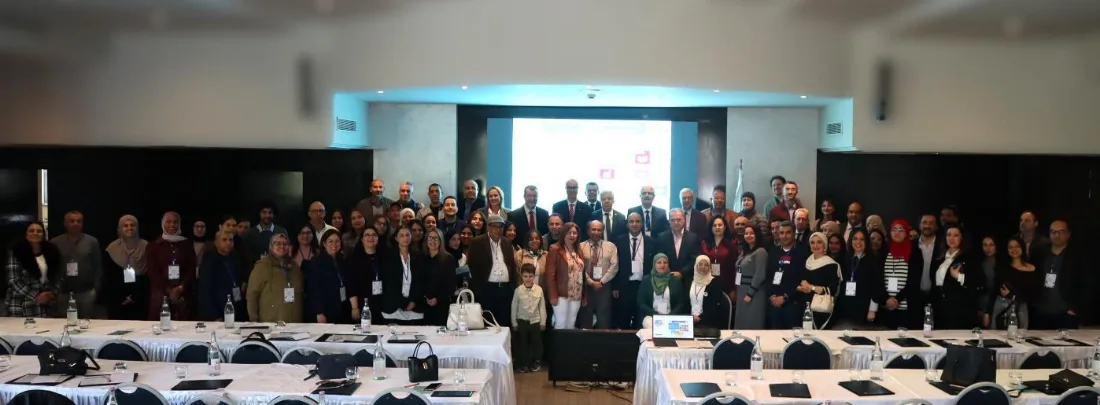
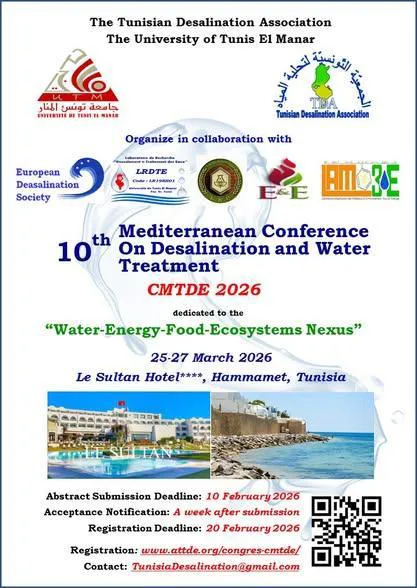
UTM's scientific community contributes to exchanges on water sustainability through conferences, workshops and research partnerships. The University, the Tunisian Desalination Association and the European Desalination Society are associated with the Mediterranean Conference on Water Treatment and Desalination, which addresses sustainable desalination, water reuse, innovative treatment technologies, water governance and the relationship between water, energy, food and ecosystems.
Through these activities, UTM strengthens scientific cooperation, supports the training of researchers and promotes technological solutions to Tunisia's water challenges. These initiatives contribute to the objectives of Sustainable Development Goal 6 (Clean Water and Sanitation), while also supporting climate resilience and sustainable agriculture.
SDG 7
Affordable and Clean Energy
Innovative Solutions for Affordable and Clean Energy
The University of Tunis El Manar (UTM) contributes to the development of clean and sustainable energy solutions through research, engineering education, international cooperation and student innovation. During the 2025–2026 period, its activities included research on green hydrogen, photovoltaic technologies, bioenergy and energy-efficient systems.
Green Hydrogen and International Scientific Cooperation
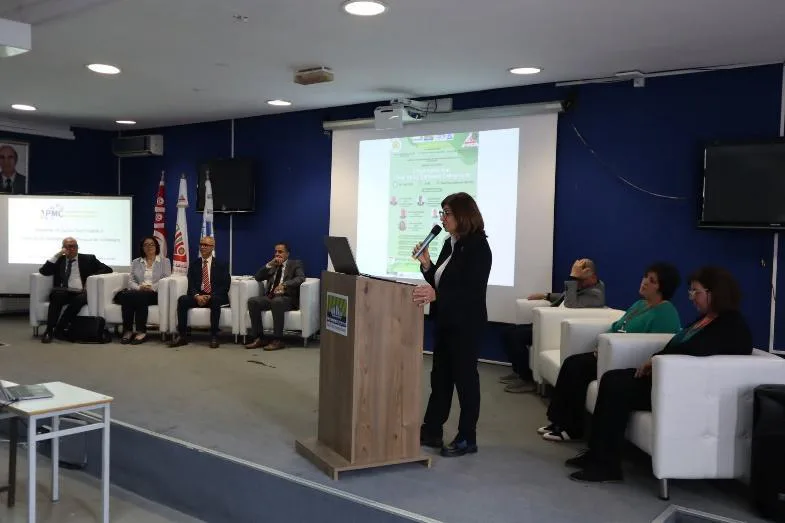
The National Engineering School of Tunis (ENIT) hosts the Tunisian-Bavarian Green Hydrogen Hub, a platform that promotes scientific cooperation, technology development and professional training in green hydrogen. The initiative connects Tunisian and Bavarian partners and supports the development of skills and research collaborations for the energy transition.
Photovoltaic Energy and Energy Efficiency
UTM establishments, particularly ENIT, have been involved in photovoltaic energy production and energy-efficiency initiatives. These activities include research on photovoltaic materials, the development of solar-energy systems and measures to reduce electricity consumption on campus. They contribute to the promotion of renewable energy and more sustainable university infrastructure.
Bioenergy from Agricultural and Food Waste
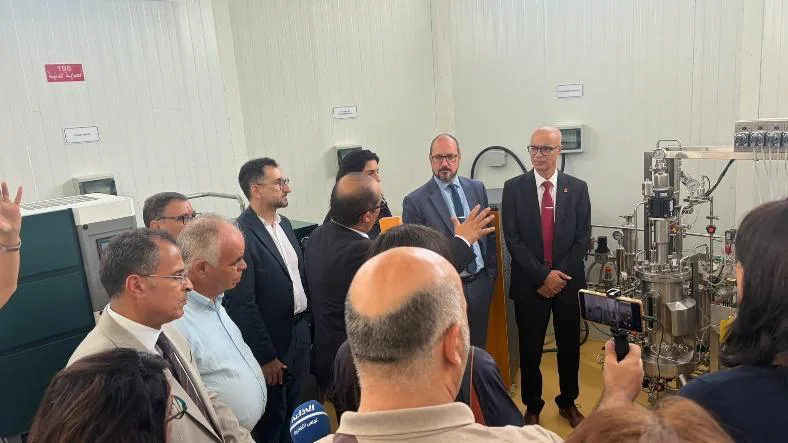
The BIOTEC H2 International Joint Laboratory, hosted by the Higher Institute of Applied Biological Sciences of Tunis (ISSBAT), investigates the production and storage of biohydrogen and methane from fermentable agri-food by-products. By exploring ways to transform organic waste into energy carriers, this research supports the development of alternative energy sources and the more sustainable use of resources.
Student Innovation in Renewable Energy
UTM students also participate in innovation and hackathon activities addressing energy and climate challenges. These initiatives encourage the use of artificial intelligence, geospatial data and digital technologies to explore solutions for renewable-energy integration, smart-grid management and energy resilience.
Through these research and innovation activities, UTM supports the objectives of Sustainable Development Goal 7 (Affordable and Clean Energy) and contributes to the development of renewable-energy technologies and skills in Tunisia.
SDG 8
Decent Work and Economic Growth
UTM contributes to Sustainable Development Goal 8 (Decent Work and Economic Growth) by promoting student entrepreneurship, supporting the development of innovative projects, and strengthening links between higher education and the economic sector. Through initiatives that encourage business creation and the development of entrepreneurial skills, the University helps prepare students and project leaders to pursue professional opportunities and contribute to sustainable economic development.
Student Entrepreneurship and Business Development
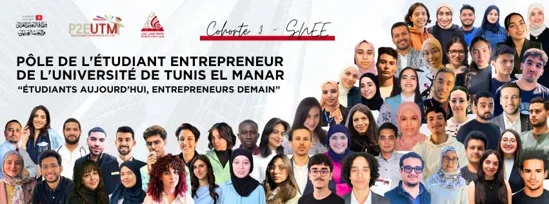
The University of Tunis El Manar (UTM) supports student entrepreneurship through the P2E-UTM Student Entrepreneur Hub, which encourages students to develop innovative project ideas and pursue entrepreneurial initiatives. This support contributes to bridging the gap between higher education and the business environment by helping students explore pathways towards business creation and economic participation.
Through its entrepreneurship support initiatives, UTM seeks to strengthen the entrepreneurial capacities of students and promote the development of projects with economic and social value.
Source: Facebook
Entrepren’Boost: Strengthening Entrepreneurial Capacity and Business Growth
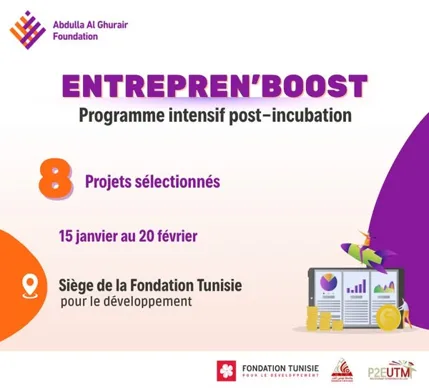
On 6 January 2026, the University of Tunis El Manar announced the launch of Entrepren’Boost, an intensive entrepreneurship training programme developed in partnership with the Fondation Tunisie pour le Développement. Running from 15 January to 20 February 2026, the programme targeted eight projects in the post-incubation stage.
The programme focused on investment readiness and fundraising, the integration of artificial intelligence into business models and processes, internationalisation, and the structuring of projects for further growth. By helping project leaders strengthen their business models and prepare for expansion, Entrepren’Boost illustrates UTM’s contribution to entrepreneurship development and the creation of conditions conducive to sustainable economic growth.
Source: Facebook
Student Entrepreneurship and Community-Based Business Initiatives
UTM’s engagement with student entrepreneurship also includes initiatives encouraging students to develop innovative responses to societal and sustainable development challenges. Through HacKa2’OOUN, students are encouraged to explore entrepreneurship and the development of community-based enterprises. Such initiatives can help introduce students to business development, collaborative problem-solving and the potential role of entrepreneurial activity in addressing local needs.
By connecting student innovation with enterprise creation, these activities illustrate the potential contribution of university initiatives to inclusive economic participation and local development.
Source: Facebook
SDG 9
Industry, Innovation and Infrastructure
The University contributes to Sustainable Development Goal 9 by promoting scientific innovation, strengthening research infrastructure and encouraging the application of advanced technologies. Through initiatives supporting research collaboration, technology transfer and the development of scientific expertise, the University seeks to strengthen connections between academic research and industrial needs. Its activities in advanced materials, artificial intelligence and research infrastructure illustrate the role of higher education institutions in fostering innovation and technological development.
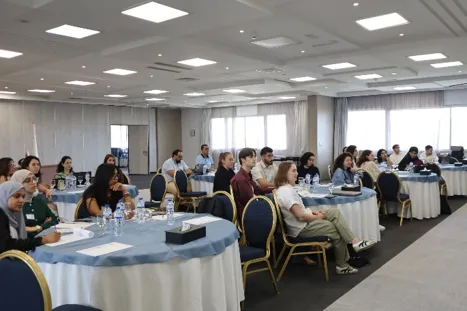
BILD 2025: Advancing Artificial Intelligence in Biomedical Imaging
From 1 to 5 September 2025, the University of Tunis El Manar participated in the first edition of the Arab-German Summer School on Biomedical Imaging with Deep Learning (BILD 2025), held in Tunis under the SANAD Network for Affordable and Democratized AI in Healthcare.
Organized by the Albarqouni Lab at the University Hospital Bonn and the University of Bonn, in collaboration with the Lebanese American University, the University of Tunis El Manar and Duhok Polytechnic University, the summer school brought together participants from Germany, Lebanon, Tunisia and Iraq. Its programme combined expert lectures, practical laboratory sessions and collaborative case studies addressing real-world applications of deep learning in biomedical imaging.
The initiative illustrated the potential of advanced computational technologies to support research and innovation in specialized scientific fields. It also strengthened international scientific collaboration and the exchange of technical expertise in artificial intelligence.
Source: Facebook
Tunisian–Japanese Cooperation in Electronic Communications Engineering
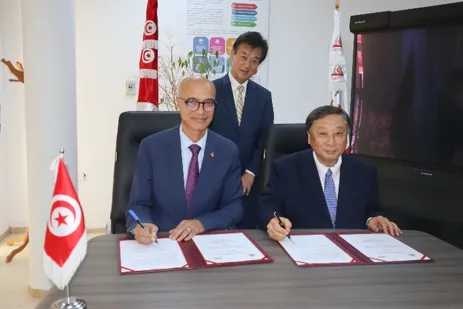
On 22 October 2025, the University of Tunis El Manar signed a cooperation agreement with Japan’s University of Electro-Communications (UEC) to strengthen scientific collaboration and exchanges in advanced technologies. The agreement provides a framework for developing joint academic opportunities and research cooperation between the two institutions.
The partnership also includes plans for a joint professional doctorate in electronic communications engineering, with a broader focus on industrial engineering. The initiative is intended to strengthen applied research by connecting doctoral candidates with partner companies, thereby creating opportunities to link scientific expertise with industrial needs and facilitate technology transfer.
This collaboration illustrates UTM’s efforts to develop international research partnerships and strengthen the relationship between higher education, technological innovation and industry.
Source: Facebook
AMINNOV’25: Advancing Research in Advanced Materials
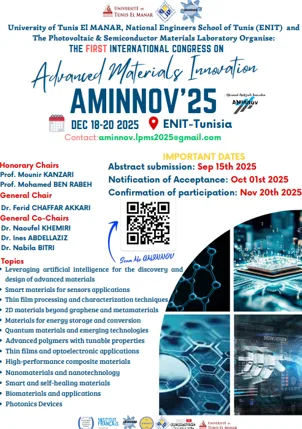
From 18 to 20 December 2025, the University of Tunis El Manar, the National Engineering School of Tunis (ENIT) and the Photovoltaic and Semiconductor Materials Laboratory organized AMINNOV’25, the first international congress on Advanced Materials Innovation, held at ENIT in Tunisia.
The congress addressed a broad range of scientific and technological topics, including artificial intelligence for the discovery and design of advanced materials, nanotechnology, smart materials for sensor applications, materials for energy storage and conversion, photonics, and emerging technologies. By bringing together research expertise around these fields, AMINNOV’25 provided a platform for scientific exchange and highlighted the role of advanced materials research in technological innovation and industrial development.
Source: utm.rnu.tn
IC3IT’26: International Conference on Innovative and Intelligent Information Technologies
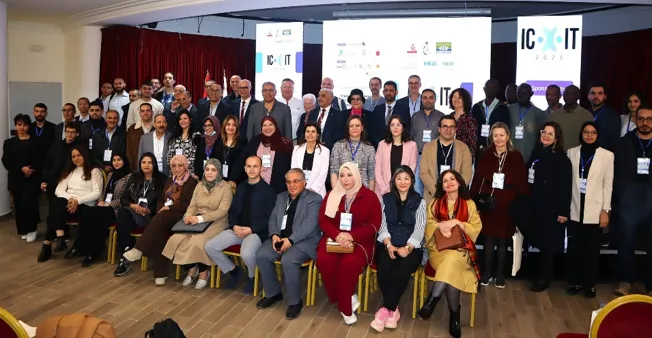
From 26 to 28 March 2026, the second edition of the International Conference on Innovative and Intelligent Information Technologies (IC3IT’26) took place in Hammamet, Tunisia, under the supervision of the Ministry of Higher Education and Scientific Research. The event was jointly organized by the University of Tunis El Manar (UTM) and the University of Batna 2, Algeria, and brought together researchers, academics and international experts from several countries.
The conference addressed emerging technological fields, including artificial intelligence, data science, distributed systems, cloud computing, the Internet of Things, cybersecurity, robotics, augmented and virtual reality, and next-generation wireless communications. Its programme also featured practical demonstrations of intelligent solutions for healthcare, smart cities, digital education, financial technology and e-commerce, alongside workshops on medical applications of artificial intelligence and data analysis.
By promoting international scientific exchange and showcasing practical technological applications, IC3IT’26 highlighted the role of universities in advancing research, fostering technological innovation and strengthening connections between academic research, industrial applications and societal needs. The conference therefore illustrates UTM’s contribution to SDG 9 through scientific collaboration and the development of innovative digital technologies.
Source: Facebook
Digital Platform for Scientific Research Management and Technology Transfer
On 6 May 2026, the University of Tunis El Manar announced the launch of a digital platform dedicated to the management and coordination of its scientific research structures. Presented during the Journée des structures de recherche 2026 at ENIT, the platform was designed to centralize research-related information, improve the visibility of university expertise and facilitate the monitoring of research activities and scientific publications.
The initiative also aims to strengthen connections between research laboratories and the socio-economic sector by making academic expertise more accessible and encouraging collaboration with external partners. By supporting the visibility and valorization of research outcomes, the platform represents an institutional effort to facilitate technology transfer and reinforce the contribution of scientific research to innovation and development.
Source: Facebook
SDG 10
Reduced Inequalities
The University of Tunis El Manar contributes to Sustainable Development Goal 10 by promoting equal opportunities, accessibility and the inclusion of students from diverse backgrounds. With more than 29,000 students representing 37 nationalities, UTM brings together a diverse university community and provides an environment for intercultural exchange and participation.
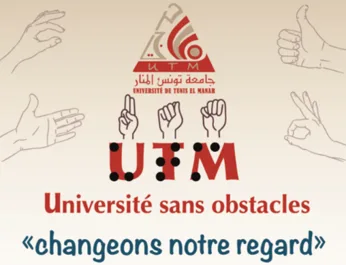
Particular attention is given to reducing barriers faced by persons with disabilities and fostering an inclusive university environment. Through initiatives supporting accessible education, student participation and cultural diversity, UTM seeks to strengthen social inclusion and ensure that members of its university community can participate in academic and campus life.
Source: utm.rnu.tn
Inclusive University: Support for Students with Disabilities
The University of Tunis El Manar (UTM) promotes equal opportunities through dedicated support services for students with disabilities. Its Office for Students with Disabilities works with university institutions to identify individual needs and facilitate appropriate academic and social accommodations.
This approach aims to reduce barriers to participation in university life and support students in pursuing their studies in an inclusive environment. By coordinating support across academic and administrative structures, UTM contributes to improving accessibility and promoting the inclusion of students with disabilities within higher education.
Source: utm.rnu.tn
Inclusive Academic Programmes for Students with Disabilities
The University of Tunis El Manar supports access to higher education through academic programmes designed to address the needs of students with disabilities. These include a degree programme in physiotherapy for visually impaired students at the Higher School of Health Sciences and Techniques of Tunis, as well as sign language training at the Higher Institute of Human Sciences of Tunis.
These programmes illustrate UTM’s commitment to making higher education more inclusive by providing learning opportunities adapted to different needs. They also contribute to reducing educational barriers and supporting the participation of students with disabilities in academic and professional life.
Source: utm.rnu.tn
UTM Phare des Cultures 2025: Celebrating Diversity and Inclusion
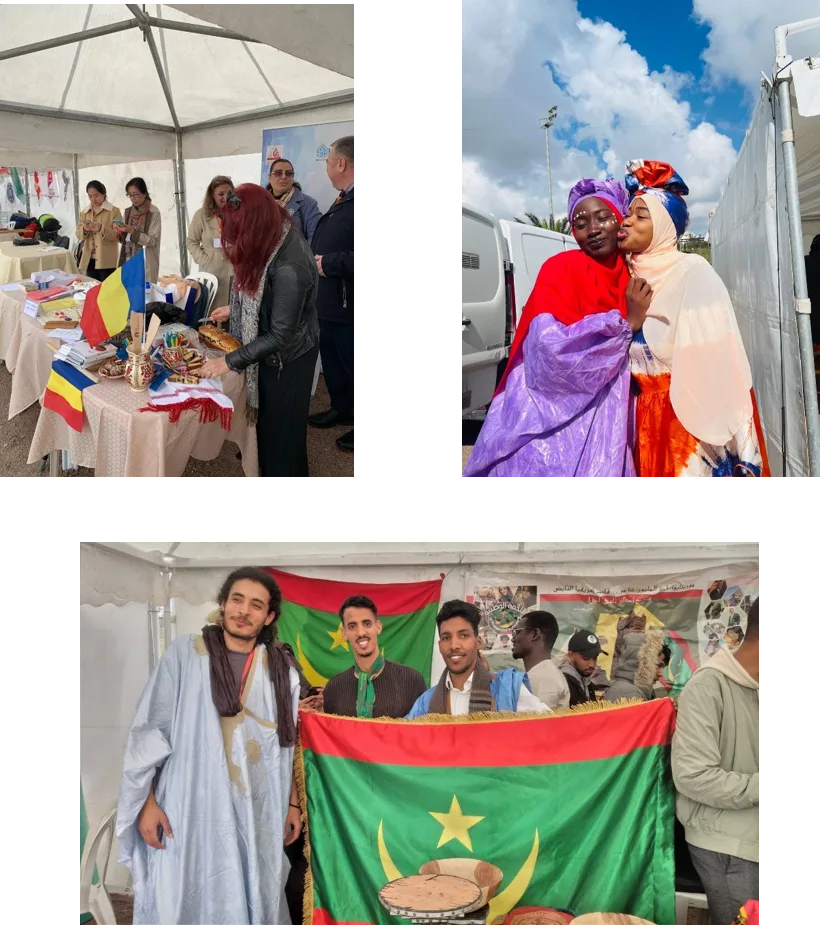
The University of Tunis El Manar announced the third edition of UTM Phare des Cultures, scheduled for 4 November 2025 at the Farhat Hached University Campus. The event was designed to celebrate the diversity of UTM’s international student community through cultural stands, gastronomy, performances and opportunities for interaction.
By encouraging students from different cultural backgrounds to share their traditions and experiences, the initiative promotes intercultural understanding, mutual respect and a sense of belonging within the university community. Such activities can contribute to a more inclusive campus environment and support social cohesion among students.
Source: Facebook
SDG 11
Sustainable Cities and Communities
The University of Tunis El Manar contributes to Sustainable Development Goal 11 by promoting sustainable urban development, environmental awareness and resilient infrastructure through education, research and community engagement. Its academic activities address key urban challenges, including sustainable construction, road safety, water and waste management, energy efficiency and climate resilience. Through student-led environmental initiatives, scientific events and engineering projects, UTM encourages innovative solutions that contribute to greener campuses, safer infrastructure and more sustainable cities and communities.
Research and Innovation for Sustainable Cities
The University of Tunis El Manar supports sustainable urban development through the UNESCO Chair on Water, Waste and Energy hosted by ENIT. The Chair promotes interdisciplinary research and innovation addressing urban water management, waste treatment and energy transition. Its activities aim to connect scientific expertise with public policies and practical solutions, contributing to more resource-efficient and environmentally sustainable cities. On 12 May 2025, the Chair held its inaugural conference at ENIT under the title “Pas d'avenir sans développement durable,” highlighting the role of research and innovation in sustainable development.
Source: chaireunesco.ede.lamsin.tn
Towards a Greener and More Inclusive University Campus
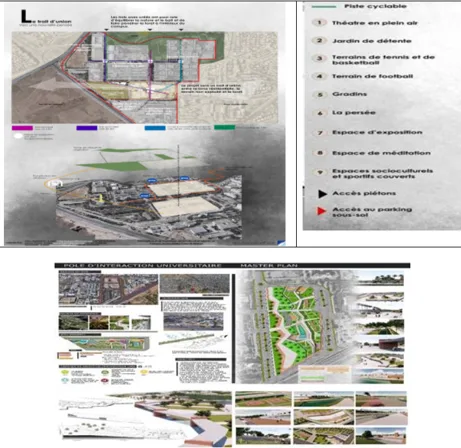
The University of Tunis El Manar promotes the concept of an ecological and sustainable campus through its Green Campus and Open Leisure Space initiative. The project aims to improve connections between university establishments and provide shared spaces for cultural, social and sporting activities. It also emphasizes the development of green areas, improved air quality, well-being and the use of renewable energy. These objectives reflect the role of sustainable campus planning in creating healthier, more accessible and environmentally responsible university environments.
Source: utm.rnu.tn
Environmental Sustainability and Resilient Infrastructure
The University of Tunis El Manar integrates environmental sustainability into its institutional strategy through policies addressing resource efficiency, green buildings, renewable energy, biodiversity and environmentally responsible infrastructure. These priorities support the development of a more sustainable campus and encourage practices that contribute to healthier living and learning environments. They also reflect the importance of responsible planning and resource management in building resilient communities.
Source: utm.rnu.tn
SDG 12
Responsible Consumption and Production
UTM contributes to Sustainable Development Goal 12 through research, institutional policies and initiatives promoting resource efficiency, waste prevention and responsible consumption. Its efforts include research on the conversion of agricultural and food-industry by-products into bioenergy, policies to reduce plastic and paper consumption, food-waste prevention, responsible laboratory-waste management and sustainable procurement. Together, these initiatives reflect UTM’s commitment to reducing environmental impacts and promoting more sustainable practices across its research, teaching and administrative activities.
Reducing Plastic and Paper Consumption
The University of Tunis El Manar promotes more responsible consumption through its institutional policy on reducing plastic and paper use. The policy encourages alternatives to single-use plastic bags, supports plastic-waste recycling and promotes paper-saving practices, including recycled paper and reduced printing. These measures aim to limit waste generation, improve resource efficiency and encourage environmentally responsible practices across the university community.
Source: utm.rnu.tn
Sustainable Valorisation of Bioresources through International Research Cooperation
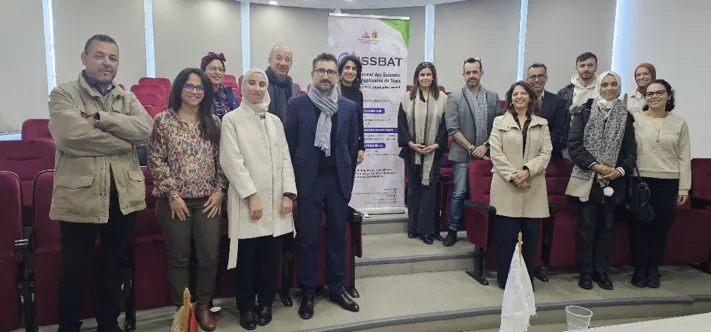
On 25–26 November 2025, the Higher Institute of Applied Biological Sciences of Tunis (ISSBAT), part of the University of Tunis El Manar (UTM), hosted the final evaluation of the international joint laboratory LMI BIOTECH2. The meeting reviewed five years of scientific collaboration and marked the transition towards the new LMI BIOTEC VAL (2026–2031), whose ambition is to expand research from bioenergy to the broader and more sustainable valorisation of bioresources. This research direction contributes to SDG 12 by promoting the responsible use of biological resources and supporting more sustainable production approaches.
Source: Facebook
Food Waste Prevention and Sustainable Consumption
The University of Tunis El Manar addresses responsible consumption through its policy on food-waste prevention. The policy emphasizes monitoring food-waste reduction efforts in university catering, communicating the commitments of catering services and supporting research and educational activities on sustainable food systems. These measures encourage greater awareness of food consumption, help prevent avoidable waste and promote the responsible use of food resources within the university community.
Source: utm.rnu.tn
Responsible Management of Laboratory and Medical Waste
The University of Tunis El Manar promotes responsible waste management through procedures covering waste generated by offices, restaurants, teaching and research laboratories, and the university medical centre. These procedures emphasize waste identification, appropriate labelling, segregation and safe containment before collection and off-site treatment or disposal. Such practices support pollution prevention, safer waste handling and more responsible management of materials used in university activities.
Source: utm.rnu.tn
Sustainable Purchasing and Procurement
The University of Tunis El Manar promotes responsible consumption through its sustainable purchasing and procurement policy. The policy encourages the selection of goods and services based on their long-term value and environmental and social impacts, including the responsible use and disposal of products. It also supports local and regional suppliers and encourages purchasing practices that integrate sustainability considerations into institutional operations.
Source: utm.rnu.tn
SDG 13
Climate Action
The University of Tunis El Manar (UTM) contributes to SDG 13 through its climate policy, greenhouse gas emissions monitoring, and research addressing environmental challenges. Its sustainability strategy promotes energy efficiency, renewable energy, environmental awareness, and the integration of climate considerations into teaching and research.
Climate Change and Environment
The University of Tunis El Manar promotes awareness of climate change and encourages the integration of environmental challenges into academic research and education. Through its scientific expertise and research activities, the University contributes to a better understanding of climate-related risks and the development of knowledge that can inform responses to these challenges. This approach highlights the role of higher education in strengthening climate awareness, encouraging informed decision-making, and supporting adaptation and resilience to climate change.
Source: utm.rnu.tn
Climate Change Mitigation and Carbon Emissions Monitoring
UTM has developed a greenhouse gas emissions inventory and a carbon-reduction roadmap to assess its environmental footprint and guide mitigation efforts. This approach considers emissions associated with energy consumption, university transport, commuting, and other operational activities. The resulting framework helps identify opportunities to reduce greenhouse gas emissions and strengthen the University's commitment to environmental sustainability.
Research for Climate Resilience and Sustainable Water Management
Through the SAVE Water project coordinated by the Faculty of Sciences of Tunis, UTM supports research using artificial intelligence and geospatial technologies to improve water-resource monitoring and management. The project addresses challenges such as water scarcity, irrigation management, and the vulnerability of water systems to climate change. By connecting scientific research with practical approaches to water management and agriculture, this initiative contributes to climate resilience and sustainable development.
SDG 14
Life Below Water
The conservation and sustainable use of oceans, seas and marine resources are essential to protecting biodiversity, maintaining ecological balance and ensuring the sustainability of natural resources. Marine and coastal ecosystems face growing challenges, including pollution, biodiversity loss and the degradation of aquatic habitats. SDG 14 aims to address these challenges by promoting the protection of marine environments, the sustainable management of aquatic resources and the preservation of marine biodiversity.
In this context, UTM contributes to this goal through its institutional commitment to sustainable development, its research activities and its scientific expertise in aquatic and coastal ecosystems.
Promoting Sustainable Water Management and Ecosystem Protection
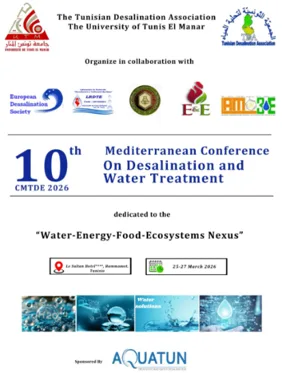
The University of Tunis El Manar organized the 10th Mediterranean Conference on Water Treatment and Desalination (CMTDE 2026), from 25 to 27 March 2026, in collaboration with the Tunisian Desalination Association (TDA) and the European Desalination Society (EDS).
Under the theme "Water – Energy – Food – Ecosystems", the conference brought together international experts, researchers, policymakers and industry representatives to discuss innovative solutions to water-related challenges in the Mediterranean region.
Particular attention was given to sustainable desalination technologies, the integration of artificial intelligence and renewable energy, and the relationship between water resources, food security and environmental protection.
This scientific event contributed to promoting research and innovation in sustainable water management and strengthening cooperation among Mediterranean stakeholders in addressing environmental challenges.
Source: attde.org
Institutional Commitment to Marine and Aquatic Ecosystems
The University of Tunis El Manar (UTM) includes the protection of aquatic ecosystems and sustainable fisheries among its sustainable development priorities. Through its Strategy, the University identifies “Life under Water and Fishing” as an area of focus, reflecting its commitment to addressing environmental and marine-related challenges through its academic and research activities.
This priority forms part of UTM’s broader commitment to integrating the United Nations Sustainable Development Goals into its teaching, research and development activities.
Source: utm.rnu.tn
SDG 15
Life on Land
Terrestrial ecosystems are essential to biodiversity, food security, climate regulation and the sustainable use of natural resources. However, forests, agricultural lands and natural habitats face increasing pressures from land degradation, soil salinization, drought, pollution and biodiversity loss. Protecting terrestrial ecosystems requires sustainable land management, responsible agricultural practices, ecosystem restoration and scientific research.
In this context, Sustainable Development Goal 15 aims to protect, restore and promote the sustainable use of terrestrial ecosystems, combat desertification, halt land degradation and prevent biodiversity loss. The University of Tunis El Manar (UTM) contributes to these objectives through research projects, scientific cooperation, environmental initiatives and academic expertise related to agriculture, soil protection and biodiversity.
PureCircles: Promoting Sustainable Agriculture and Soil Protection
The University of Tunis El Manar, through the Higher Institute of Applied Biological Sciences of Tunis (ISSBAT), contributed to the PRIMA-funded PureCircles project during the 2025–2026 period. The project focuses on improving resource-use efficiency within the water–energy–nutrient nexus to support sustainable agriculture in Mediterranean marginal environments.
Its research activities address challenges such as soil and water salinization, water scarcity and agricultural resource management. By exploring climate-resilient crops, smart agricultural practices and innovative technologies, the project supports more sustainable farming systems and contributes to the protection of agricultural land and soil resources.

Sources: purecircles.uni-hohenheim.de · Facebook · utm.rnu.tn
Research Capacity in Biodiversity and Terrestrial Ecosystem Conservation
During the 2025–2026 reporting period, UTM's research capacity in environmental sciences and biodiversity provided an important foundation for addressing challenges related to terrestrial ecosystem conservation. The University hosts research laboratories working on biological diversity, biodiversity and climate change, plant–soil interactions, and environmental biotechnology.
These multidisciplinary research structures contribute to developing scientific expertise in ecosystem management, biodiversity conservation and the sustainable use of natural resources. They also provide a research environment for addressing environmental challenges affecting terrestrial ecosystems.
Source: recherche.utm.rnu.tn
Institutional Commitment to Biodiversity and Environmental Protection
The University of Tunis El Manar integrates biodiversity protection and the responsible use of natural resources into its environmental sustainability policy. Through its operational, awareness-raising and research priorities, UTM promotes environmentally responsible practices and supports initiatives aimed at protecting natural ecosystems. This institutional framework provides guidance for the University's contribution to biodiversity conservation and the sustainable management of terrestrial resources.
Source: utm.rnu.tn
SDG 16
Peace, Justice and Strong Institutions
Peaceful, inclusive and well-governed societies are essential for sustainable development. Strong institutions promote transparency, accountability, equal access to justice, respect for human rights and effective public services. Universities contribute to this goal not only through education and research, but also by promoting ethical values, academic integrity, civic engagement, equality and cooperation with public institutions.
In this context, the University of Tunis El Manar (UTM) contributes to Sustainable Development Goal 16 through its commitment to responsible governance, institutional transparency, the promotion of human rights, and the development of partnerships that support peace, justice and inclusive institutions.
Promoting Gender Equality and Women's Participation in International Arbitration
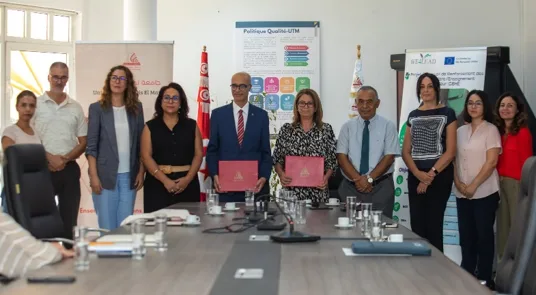
On 23 September 2025, the University of Tunis El Manar signed a cooperation protocol with the ALECSO Chair for International Commercial Arbitration, within the framework of the EU co-funded WE4LEAD project. The agreement aims to promote women's participation in arbitration across the Arab region. As part of this commitment, UTM expressed its support for a survey on arbitration practices in Arab countries, launched by the ALECSO Chair to encourage greater female representation in this professional field.
The signing ceremony highlighted the importance of gender parity and institutional commitment to equality. It was attended by representatives of UTM, the Faculty of Law and Political Sciences of Tunis, the WE4LEAD project and the Center of Arab Women for Training and Research (CAWTAR), represented by its Director, Soukeina Bouraoui. The event reflects UTM's commitment to inclusive institutional practices, women's empowerment and the promotion of equal opportunities in the legal and professional sectors.
Sources: Facebook · utm.rnu.tn (1) · utm.rnu.tn (2)
Strengthening Gender-Responsive Leadership in Higher Education
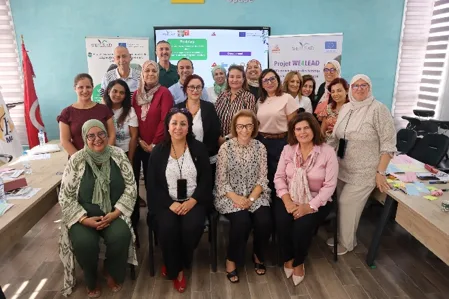
On 13 October 2025, the University of Tunis El Manar organized a training session entitled “Gender and Leadership” within the framework of the European-funded WE4LEAD project. The session targeted heads of doctoral schools and research structures and focused on mentoring practices and gender-sensitive recruitment. By strengthening the capacities of university decision-makers, this initiative supports fairer institutional practices, equal opportunities and more inclusive leadership within higher education.
Source: Facebook
Promoting a Safe and Respectful University Environment
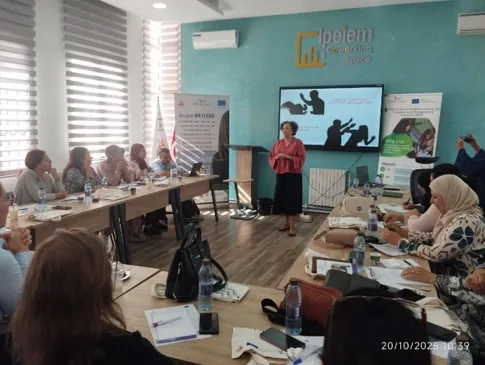
As part of the EU-funded WE4LEAD project, the University of Tunis El Manar organized a training session on “Harassment within the University: Protection Measures and Tools” on 20 October 2025 at the Preparatory Institute for Engineering Studies of El Manar. The session was designed for administrative staff and addressed different forms of harassment, reporting procedures, prevention mechanisms and victim-support measures. It also strengthened the capacity of university staff to identify and respond appropriately to harassment situations, contributing to a safer, more respectful and inclusive academic environment.
Source: utm.rnu.tn
SDG 17
Partnerships for the Goals
Partnerships and international cooperation are essential to achieving the Sustainable Development Goals. By bringing together universities, governments, international organizations, research institutions, the private sector and civil society, partnerships facilitate the exchange of knowledge, strengthen institutional capacities and support the development of innovative solutions to global challenges.
In this context, the University of Tunis El Manar (UTM) contributes to Sustainable Development Goal 17 through its international cooperation agreements, participation in multilateral research and education projects, academic mobility initiatives, and collaboration with national and international institutions. These partnerships strengthen scientific cooperation, promote knowledge sharing and reinforce the role of higher education in sustainable development.
Strengthening International Academic Cooperation
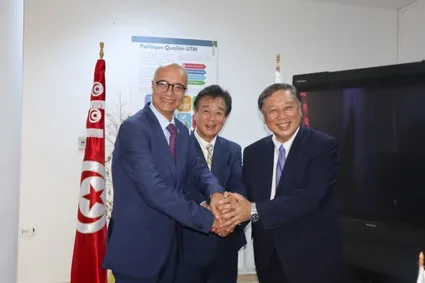
On 22 October 2025, the University of Tunis El Manar signed a cooperation agreement with the University of Electro-Communications (UEC) in Tokyo, Japan. The agreement aims to promote exchanges of experience and strengthen cooperation between researchers, academics and students in advanced technological and scientific fields. This partnership contributes to strengthening academic links between Tunisia and Japan and encouraging international research collaboration.
Source: Facebook
Promoting Intra-African Research and South-South Cooperation
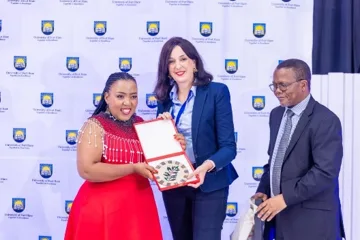
On 19 November 2025, Professor Asma Gati, Vice-President for Research at UTM, participated as a keynote speaker in the Research Week organized by the University of Fort Hare in South Africa. Her presentation, entitled “Strengthening Intra-African Research: Experiences, Challenges, and South-South Opportunities”, highlighted the importance of research collaboration across the African continent. She also presented UTM's involvement in several cooperation initiatives, including the Intra-Africa BRAINS and AFRIDI projects, as well as the Erasmus+ DigIt Africa project, coordinated by UTM.
Source: Facebook
Strengthening Academic and Scientific Cooperation with France
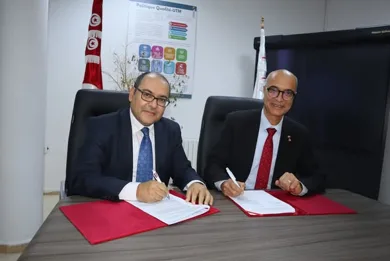
On 19 November 2025, the University of Tunis El Manar signed a framework cooperation agreement with the National Higher School of Computer Science for Industry and Business (ENSIIE – France). The agreement was signed during a meeting between UTM President, Professor Moez Chafra, and ENSIIE Director, Professor Imed Boughzela. It aims to develop joint academic and scientific projects, promote the exchange of expertise, and strengthen cooperation in fields related to digital and industrial transformation.
As part of this partnership, a double-degree agreement in Computer Science was also signed between ENSIIE and the Faculty of Sciences of Tunis. This programme will provide students from both institutions with the opportunity to follow an integrated academic pathway and obtain a double degree, while promoting academic mobility, scientific excellence and graduate employability. This cooperation strengthens international academic ties and illustrates UTM's commitment to developing partnerships that support higher education, research and innovation.
Source: Facebook
Developing Arab and Regional University Cooperation
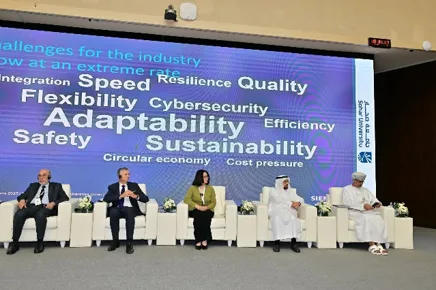
From 11 to 14 November 2025, the University of Tunis El Manar participated in the ALECSO forum on Arab University Twinning, held at Sohar University in the Sultanate of Oman. The event focused on the concept of the “Productive University” and provided an opportunity to exchange experiences and explore new avenues for cooperation between Arab higher education institutions.
Source: Facebook
Strengthening International Partnerships in Global Health
On 5 March 2026, the University of Tunis El Manar (UTM) organized the first dissemination event of the UTM Global Health project, coordinated by Professor Hanene Boussi, under the presidency of Professor Moez Chafra. Held at the National Council of the Order of Physicians (CNOM), the event focused on global and African health security indices, the assessment of public health systems, and progress in the African region, with particular attention to Tunisia. The event was organized in collaboration with the Brown University Pandemic Center (USA) and Economist Impact (UK). It brought together academics, researchers, public health experts and representatives of several national and international institutions, including:
- World Health Organization (WHO)
- Tunisian Ministry of Health
- Ministry of Higher Education and Scientific Research
- Faculty of Medicine of Tunis
- Pasteur Institute of Tunis
- Brown University Pandemic Center (online participation)
This meeting provided a platform for knowledge sharing and dialogue between academic, governmental and international partners. It also highlighted the importance of international cooperation and interdisciplinary collaboration in strengthening public health systems and integrating economic considerations into public health planning.
Source: Facebook